



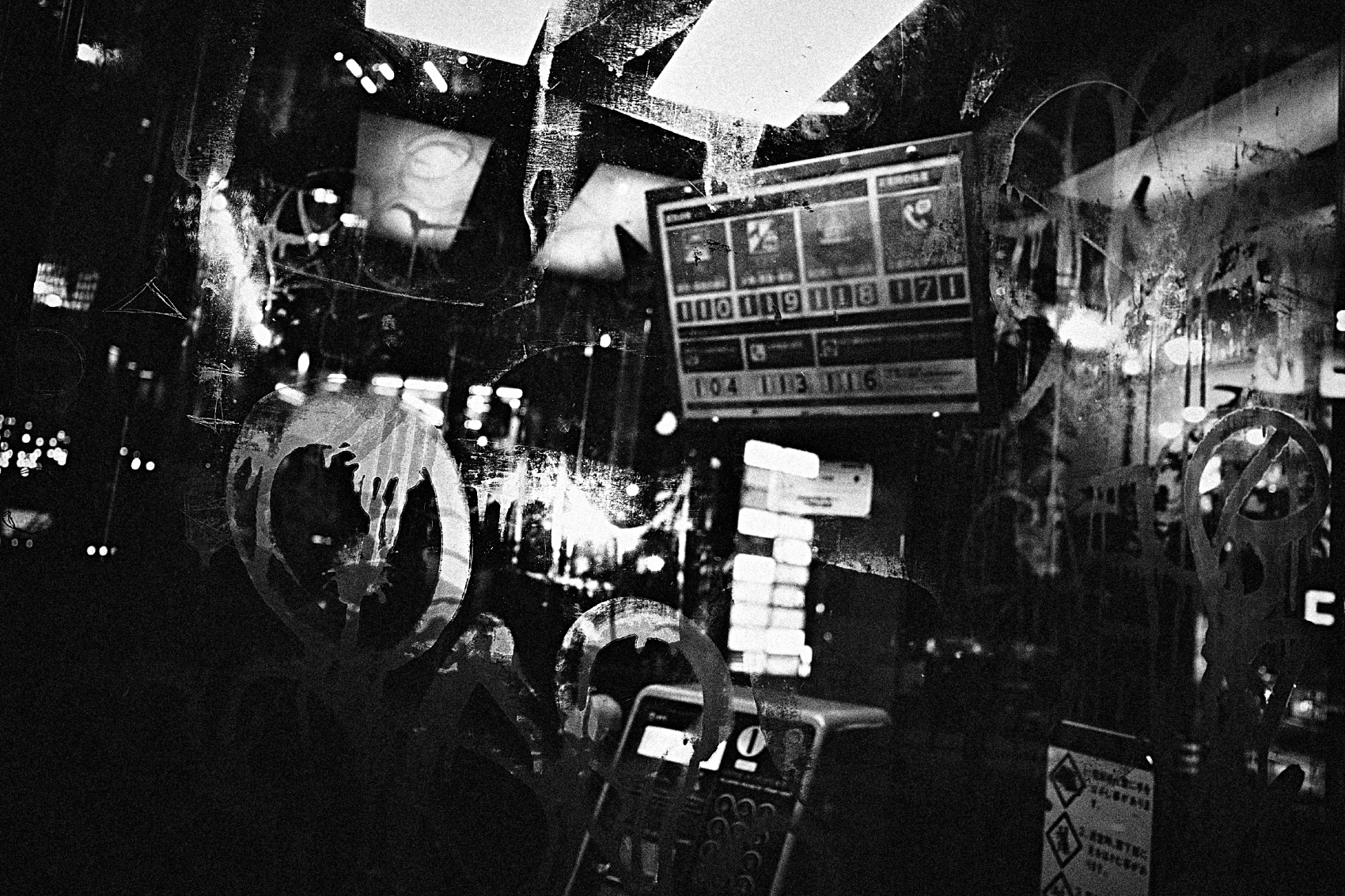



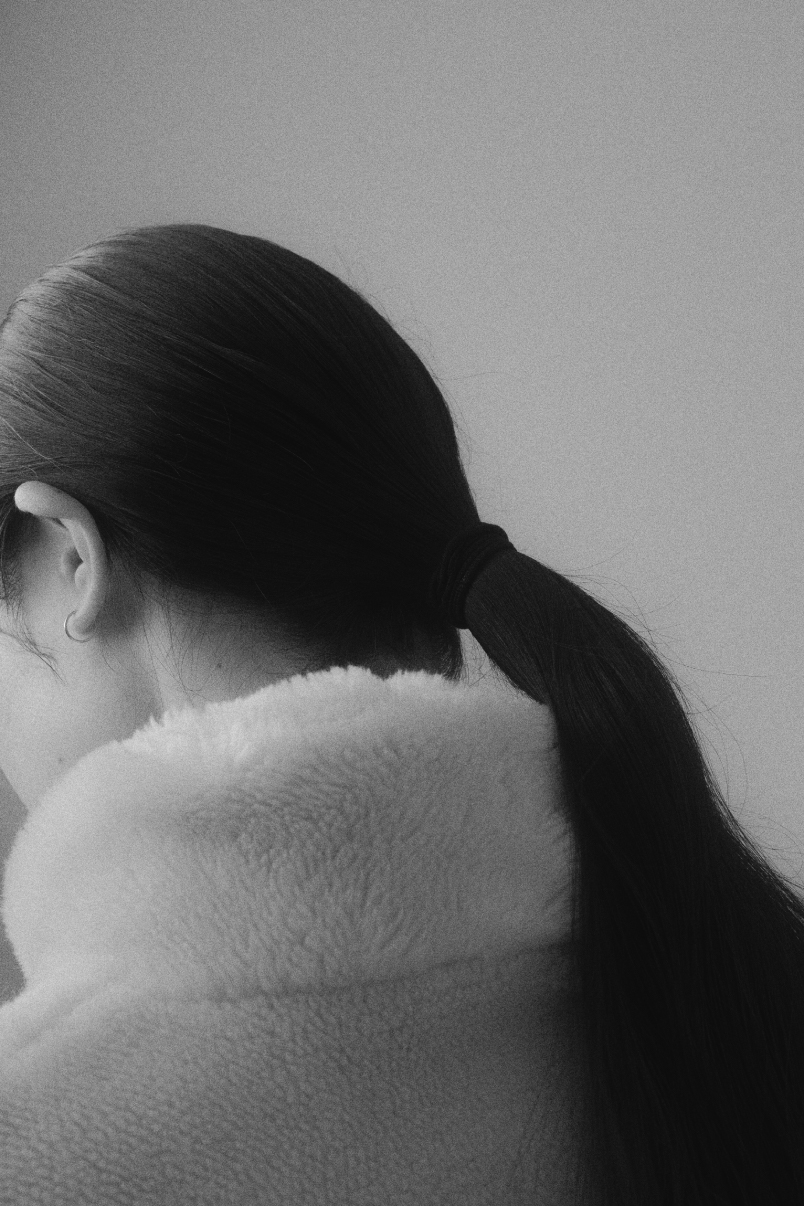
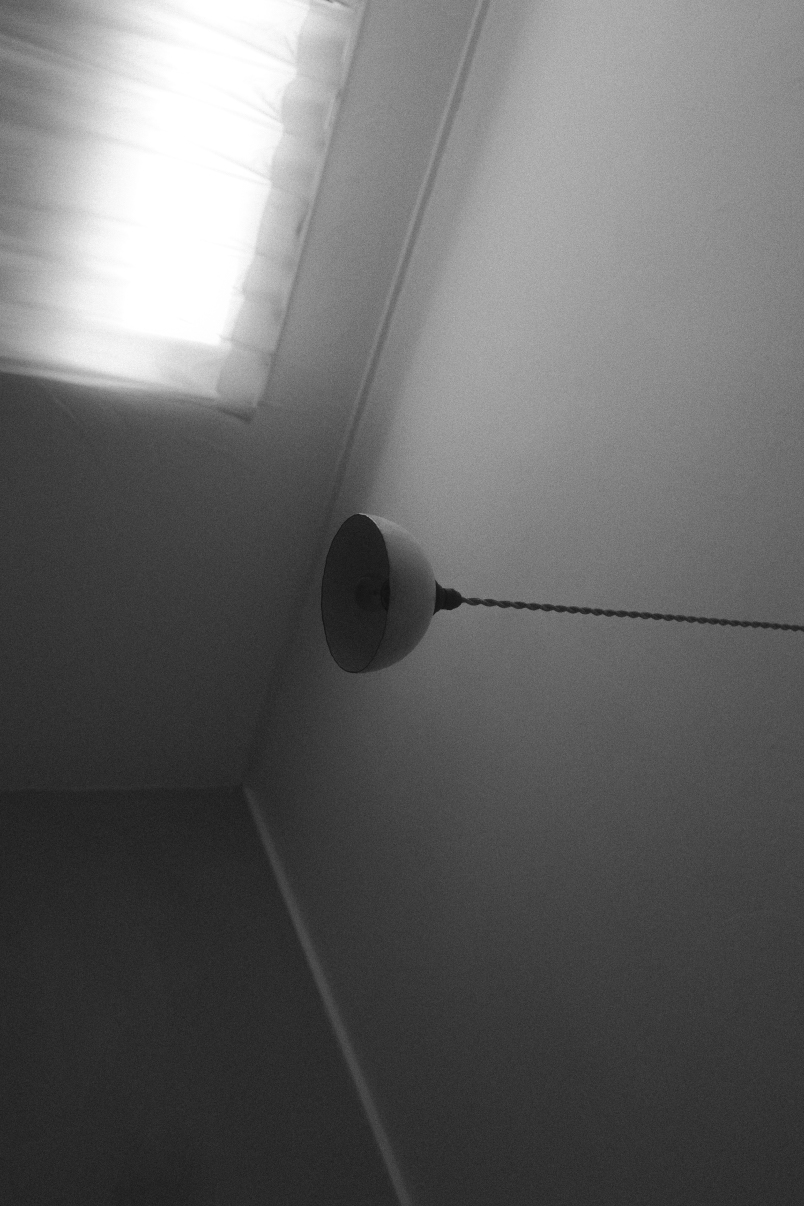
We sometimes discuss whether dreams are in color or monochrome. I've heard theories that people who grew up with black-and-white TV tend to dream in monochrome or that dreams and mental imagery are inherently monochrome for everyone, with color being added in retrospect.
I don't know if it's related, but monochrome photographs seem to connect more easily with dreams and memories for me than color photographs do. Even without color, they can be more eloquent than color images because you can see the light within the shadows precisely because they lack color.
My dreams and mental images are always in monochrome. It is difficult to add color afterwards. I aspire to take photographs that capture these fragments as if I were touching my elbow against them.
Photo&text Kazuhei Kimura
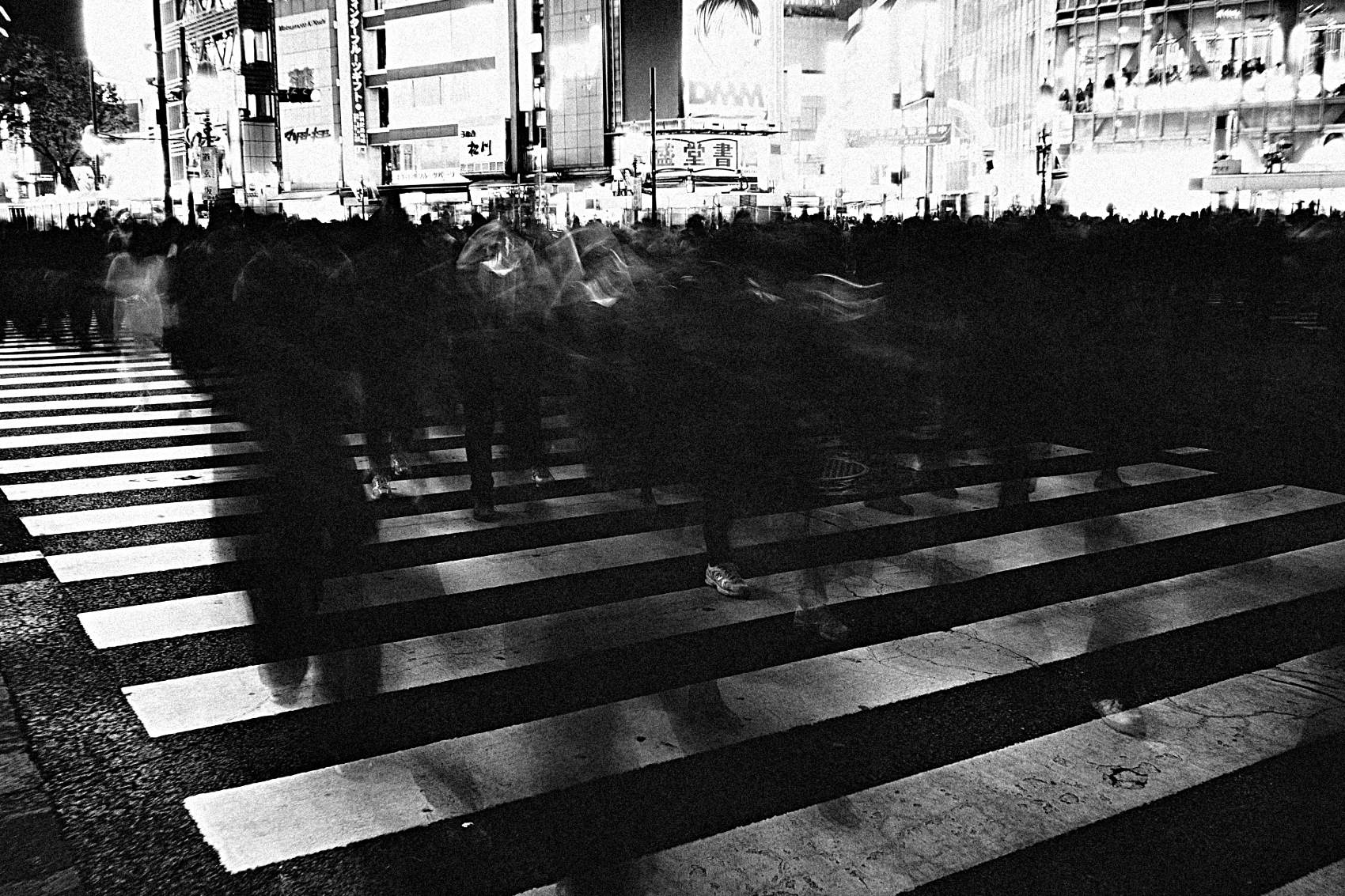
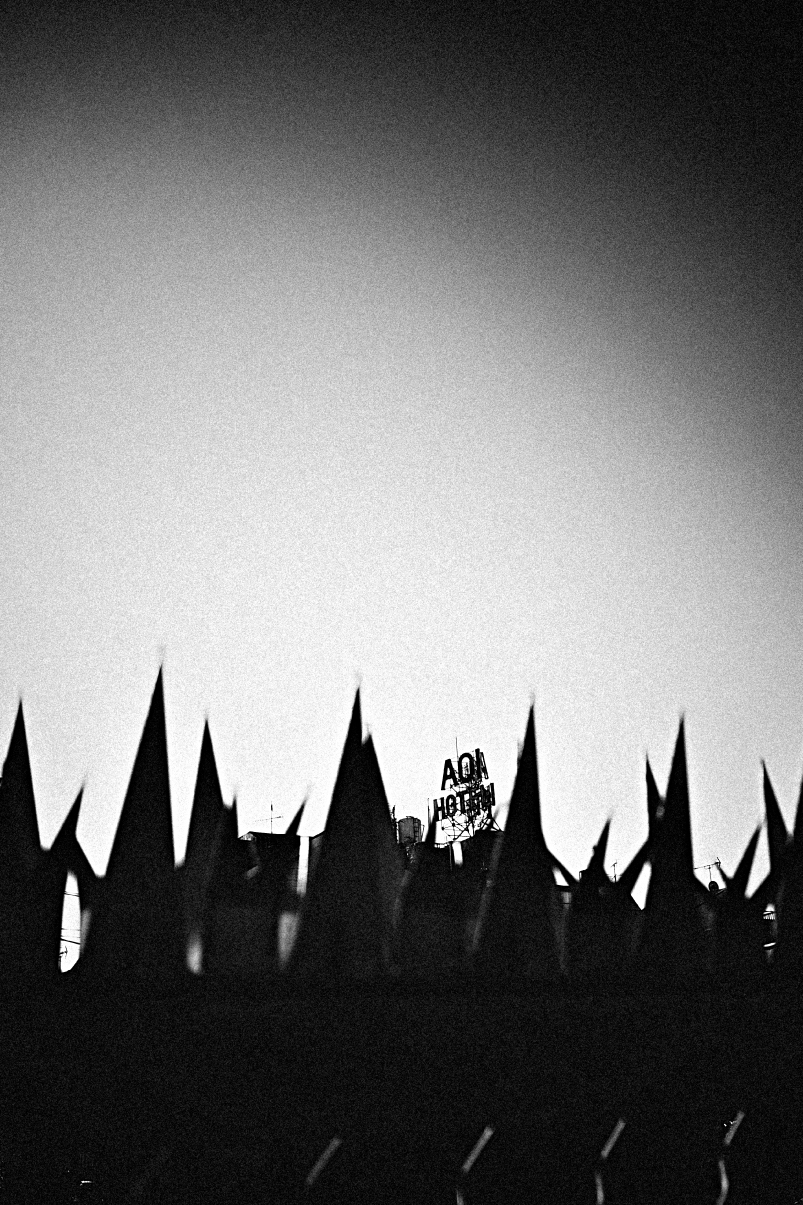
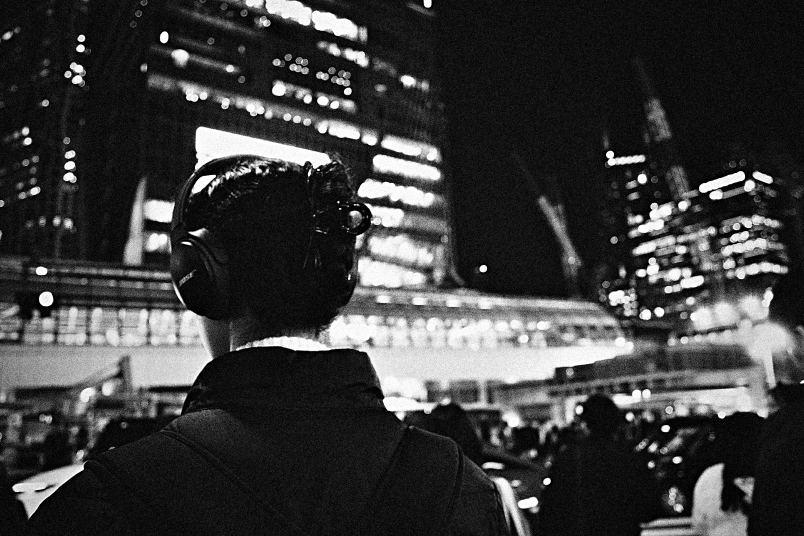
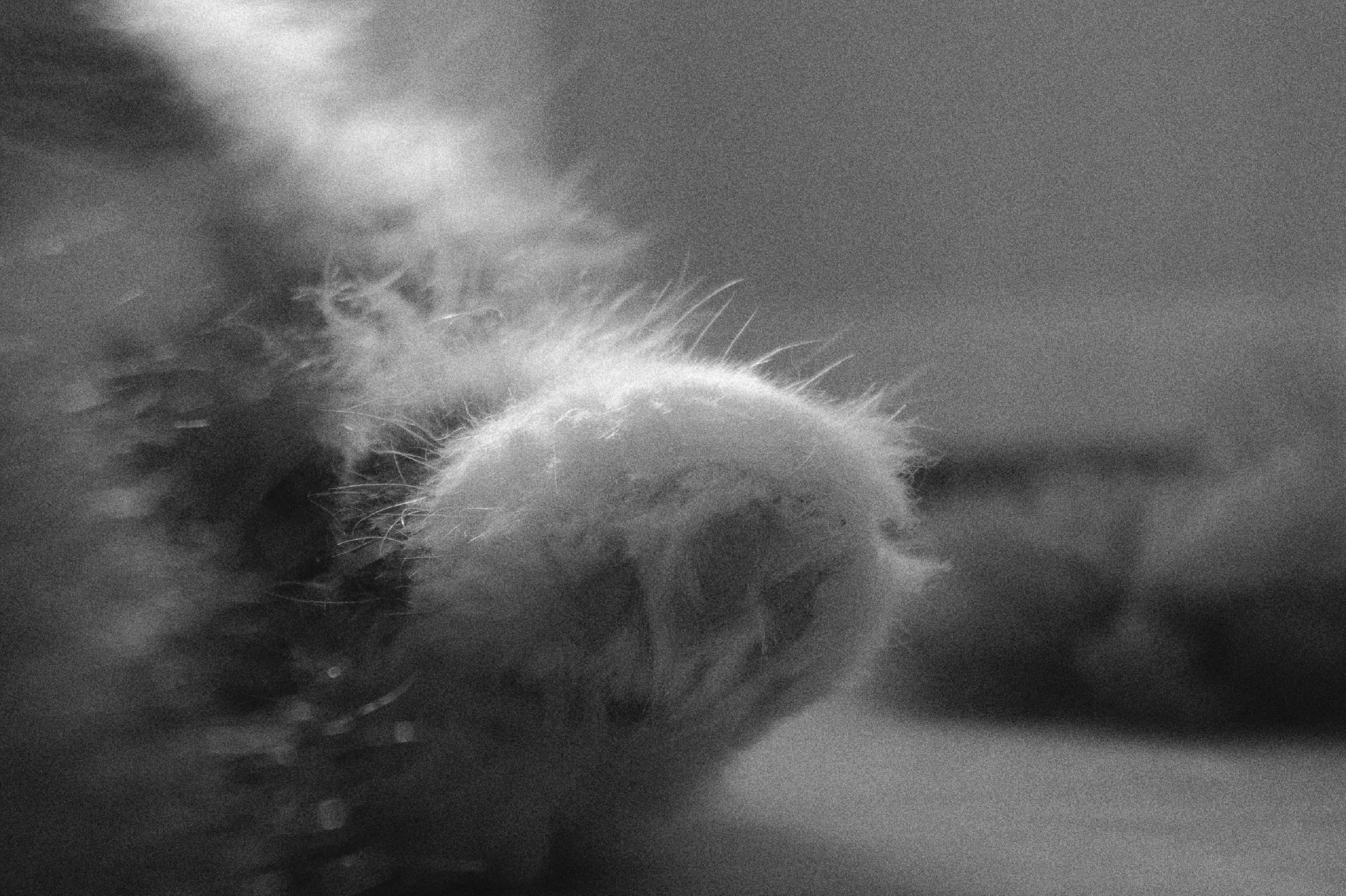
Why am I so captivated by stripping away the colours that adorn the world and photographing it only in black, white, and countless shades of gray? Perhaps it is because, in the expressions of the world revealed through subtraction, I sense a faint tremor—something almost like a kind of fetishism.
Shards of glass glimmering like tiny grains in a pitch-black alleyway. A single ray of light spilling through the crack of a bedroom door. Only when touched by light does their presence truly emerge. It is like drawing on a black canvas with a white crayon, creating something line by line. Drawing with light. Perhaps it is monochrome photography that reminds me—both logically and emotionally—of the simple, primordial nature of this visual world.
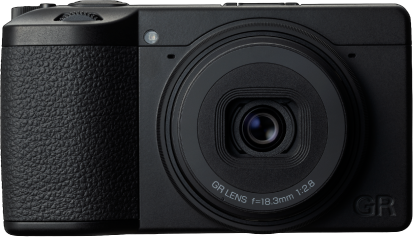
When I think back, the very first frame I ever captured with the GR was in monochrome. That was because, while searching for a camera that would let me shoot striking black-and-white street snaps, the answer I eventually arrived at was the GR.
Photo&text Tomas H. Hara
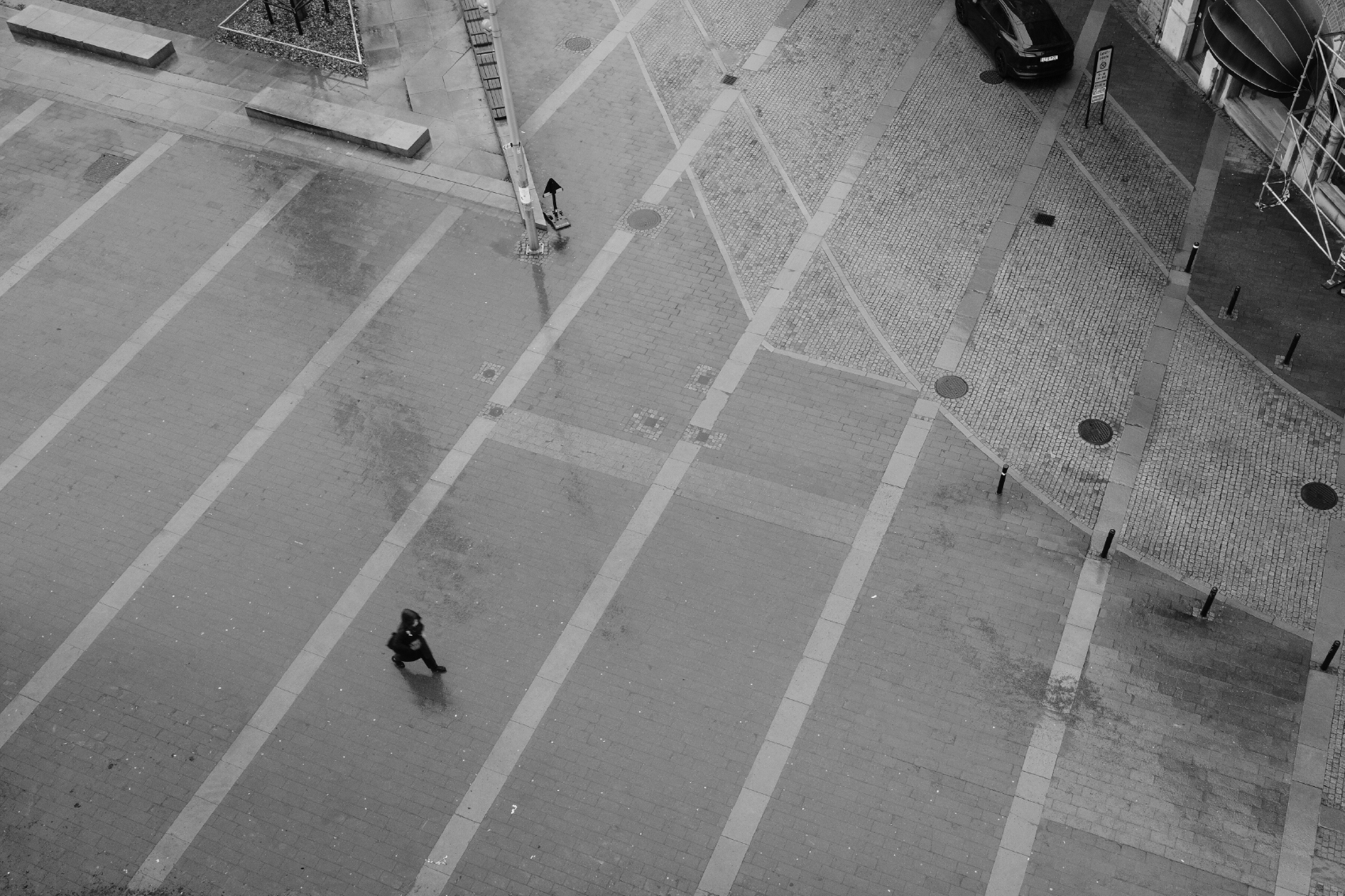
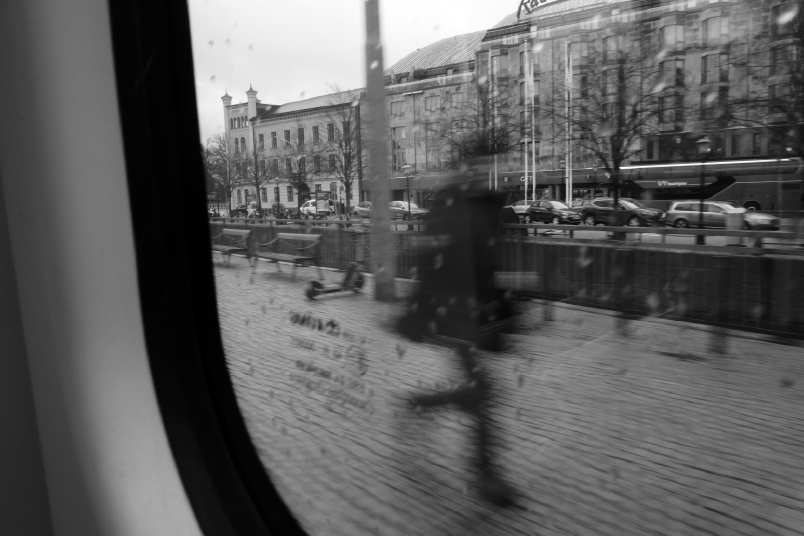
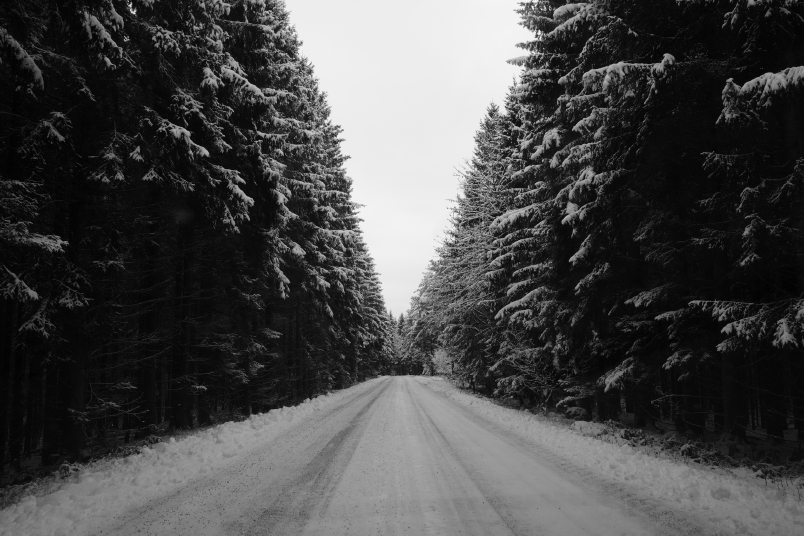
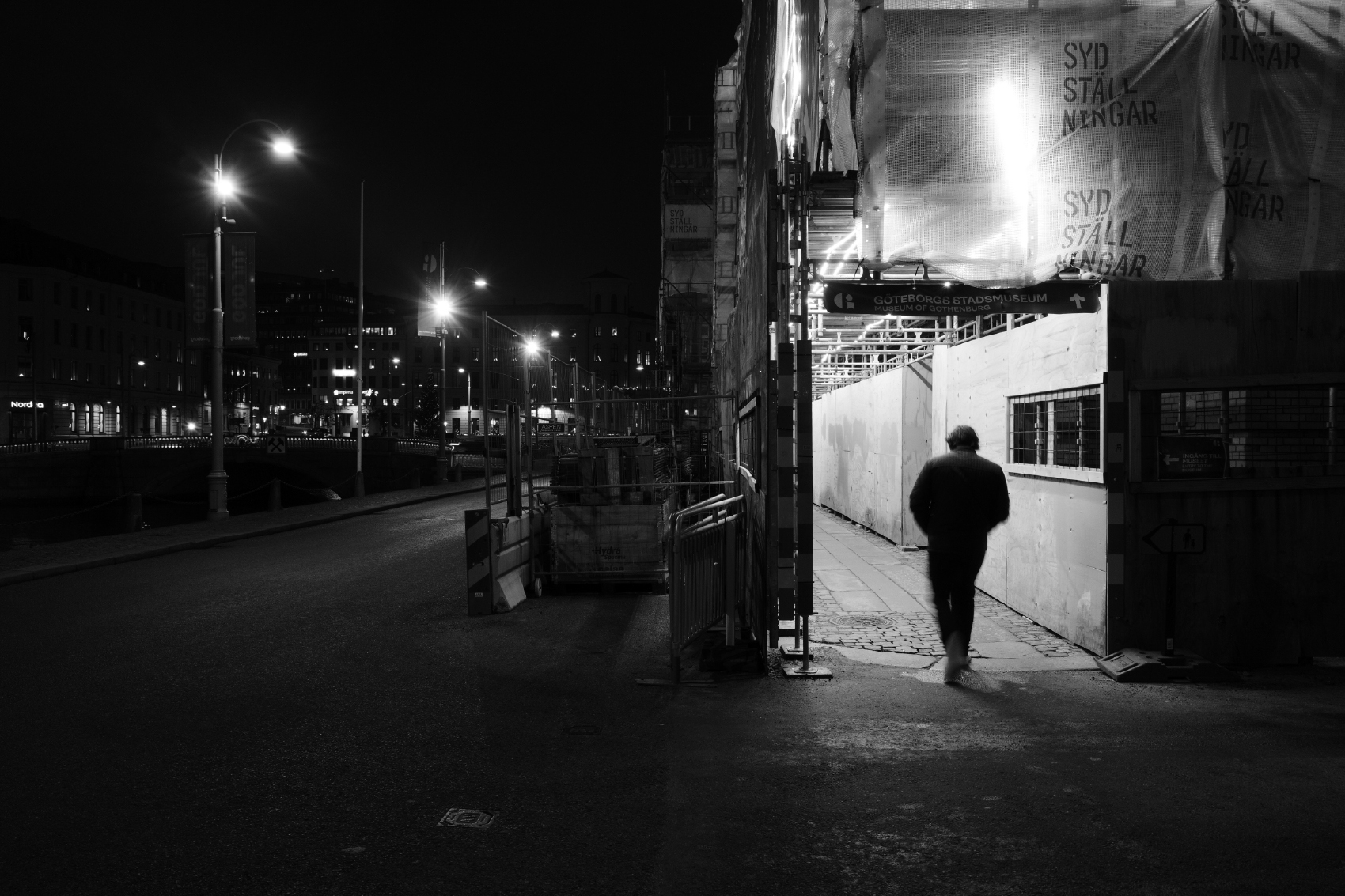
For me, there’s something magical in creating images made only from layers of light and shadow. Using layers of gray to separate the different parts of the scene, instead of relying on a wide aperture and bokeh. Finding the contrast in light against dark, or dark against light. No colors getting in the way or stealing my attention. I can focus entirely on the feeling in the image and the story I want to tell. Photographing with black and white film or a monochrome sensor is a dedication, one that trains my eyes to see all these layers. I cannot simply take random shots and decide afterward whether they should be in color or black and white. When I’ve stripped away that choice, that’s when the magic unfolds.
Photo&text Rikard Landberg