October 1996
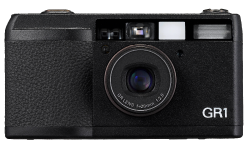
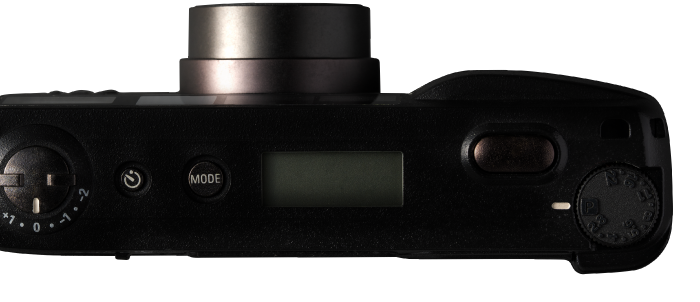
GR1
Developed in response to demand from users of the ultra-slim R1, the GR1 combined the flexibility in exposure settings for positive films with the outstanding optical performance photographers were seeking—all in a truly pocketable camera. At its heart was the highly-regarded 28mm GR lens, featuring a sophisticated 7-element, 4-group optical design that delivered exceptional sharpness across the entire frame. Housed within a lightweight yet highly durable magnesium alloy body, the GR1 quickly earned the praise of professional photographers and laid the foundation for the iconic GR series.
April 1998
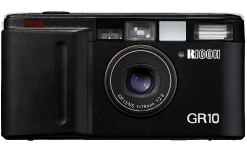
GR10
The GR10 was developed to bring the acclaimed image quality of the GR1 to a wider audience of photography enthusiasts, delivering the renowned GR experience at a more accessible price. To achieve this, Aperture Priority AE and exposure compensation functions were omitted, creating a simpler and more intuitive shooting experience. Battery capacity was also increased to better support frequent flash photography, while a lightweight aluminium body retained the compact portability that defined the series. The result was a camera that stayed true to the GR philosophy—outstanding image quality in a camera designed to be taken everywhere.
April 1998
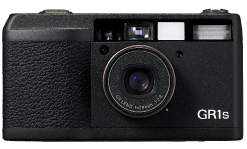
GR1s
As the GR1 gained widespread acclaim among professional photographers and advanced enthusiasts, demand grew for additional functionality. Developed in response to this feedback, the GR1s built upon the original's renowned design while preserving the core philosophy and exceptional image quality that had made the GR1 so highly regarded. New features included compatibility with a dedicated lens hood and an illuminated viewfinder display, ensuring the bright-frame remained clearly visible even in low-light conditions—further refining the shooting experience while staying true to the GR spirit.
April 2001
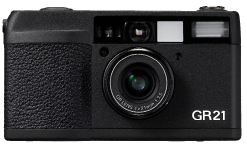
GR21
The GR21 made history as the world's first compact camera to feature a 21mm f/3.5 ultra-wide-angle lens. Designing a viewfinder for such an ultra-wide-angle lens was a significant challenge, and integrating it into the compact GR21 body required exceptional optical engineering. The GR engineers successfully developed and implemented a sophisticated optical system that made extensive use of aspherical lenses with complex curved surfaces, overcoming the limitations of space while maintaining outstanding image quality. With its unique perspective and exceptional performance, the GR21 became a favourite among photographers and further strengthened the reputation of the GR series.
September 2001
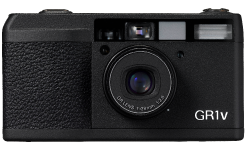
GR1v
Introduced five years after the debut of the GR1, the GR1v refined the original concept while preserving the exceptional image quality and compact design that defined the series. With the addition of Auto Exposure Bracketing, manual film speed selection and a dedicated manual focus mode, photographers gained even greater creative control. Widely regarded as the culmination of the film-era GR series, the GR1v remains one of the most celebrated premium compact cameras ever produced.
October 2005
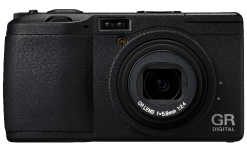
GR DIGITAL
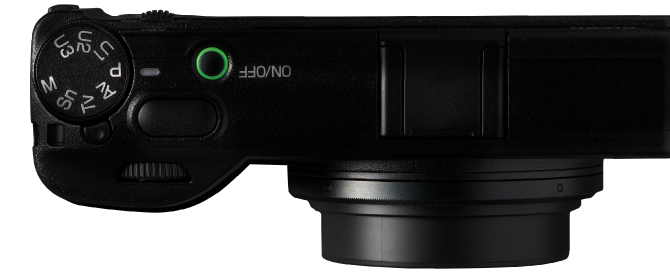
Faithfully carrying forward the concept of the original GR1, the GR DIGITAL combined a compact design with a 1/1.8-inch CCD image sensor delivering approximately 8.13 effective megapixels. At its heart was the GR LENS - an F2.4 / 5.9mm lens (equivalent to 28mm in 35mm format), boasting outstanding resolution and minimal aberration. Paired with the newly developed GR ENGINE image processor, it delivered the exceptional image quality photographers had come to expect from GR. The GR DIGITAL also established a new approach, continuing to evolve alongside its users through firmware updates long after its release.
November 2007
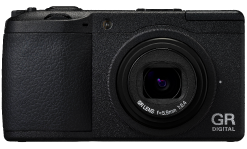
GR DIGITAL II
Introduced two years after the original GR DIGITAL, the GR DIGITAL II featured a 1/1.75-inch CCD image sensor with approximately 10.01 effective megapixels, delivering even greater image detail. The newly developed GR ENGINE II further enhanced image quality, with improved noise reduction, particularly at higher ISO settings. The GR DIGITAL II also introduced several features that would become favourites among GR photographers, including an Electronic Level, a 1:1 aspect ratio shooting mode, and the My Settings function, allowing users to save their preferred camera settings for instant access via the mode dial.
August 2009
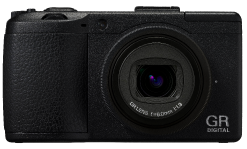
GR DIGITAL III
Released in 2009, the GR DIGITAL III introduced a fast f/1.9 GR LENS. Shutter Priority Auto Exposure was also added, giving photographers even more control over their images. Designed with advanced users in mind, the GR DIGITAL III introduced the innovative Full-Press Snap function, allowing the camera to instantly focus at a preset distance when the shutter button was pressed fully - ideal for capturing decisive moments. The model also became the first in the series to feature High-Contrast B&W mode, introduced with Firmware Version 2.20, which would go on to become one of the GR series' most distinctive creative image controls.
October 2011
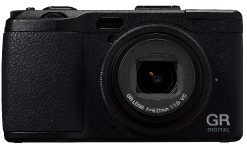
GR DIGITAL IV
The GR DIGITAL IV further enhanced the fast, responsive performance that snap photographers rely on with the introduction of Hybrid AF and an image sensor-shift image stabilisation system, making it even easier to capture decisive moments with confidence. A newly developed 3.0-inch LCD monitor offered approximately 1.7 times the maximum brightness of its predecessor, significantly improving visibility in a wide range of shooting conditions. The addition of Dynamic Range Compensation and Interval Composite further expanded the camera's creative capabilities, making the GR DIGITAL IV an even more versatile companion for photographers.
May 2013
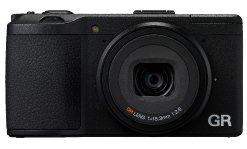
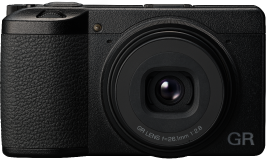
GR
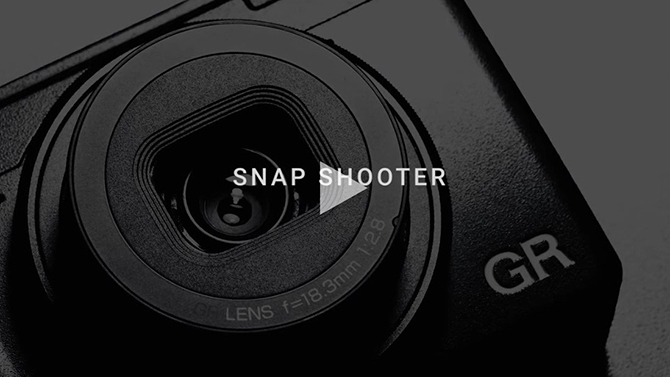
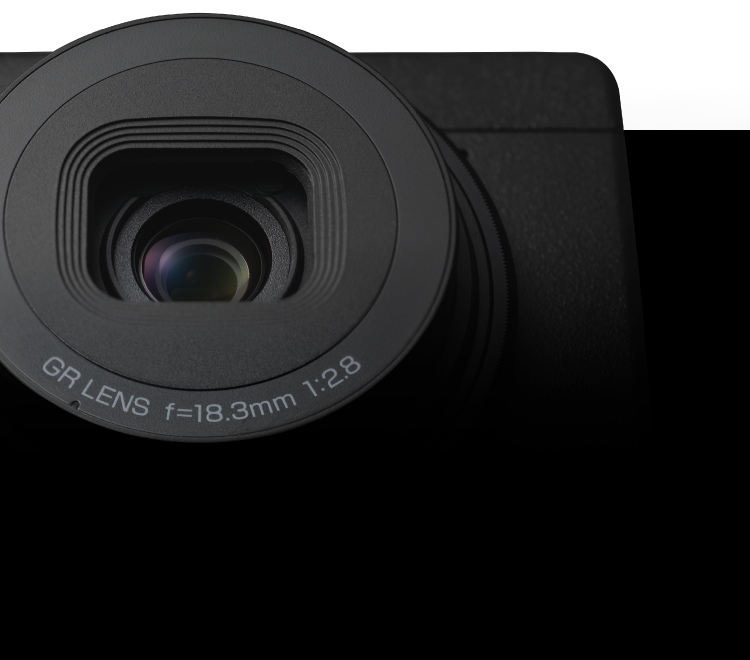
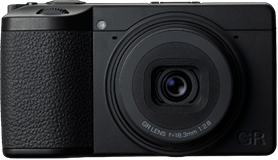
The new GR marked a major milestone for the series, combining an APS-C image sensor with approximately 16.2 effective megapixels—commonly found in DSLRs and mirrorless cameras—with a body compact enough to slip into a pocket. Its newly developed GR LENS 18.3mm F2.8 (equivalent to 28mm in 35mm format) achieved an exceptional balance of compactness and optical performance, delivering outstanding sharpness alongside the beautiful bokeh made possible by its large sensor. Reflecting the maturity of digital photography, the word "DIGITAL" was removed from the product name, signalling the beginning of a new chapter for the GR series.
July 2015
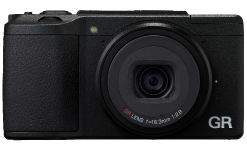
GR II
Building on the proven foundation of the GR, the GR II retained the series' essential qualities while introducing built-in Wi-Fi for enhanced connectivity with mobile devices. Through the dedicated Image Sync app, photographers could easily transfer images from the camera to smartphones and other devices, making sharing and workflow more seamless than ever. The GR II also introduced GR Remote, a web-based application that enabled remote control of the camera's shooting functions from a smart device, expanding the creative possibilities while maintaining the intuitive GR experience.
March 2019
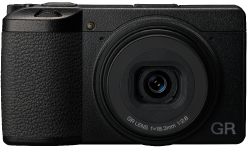
GR III
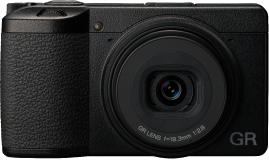
Released in 2019, the GR III represented the first full redesign of the series in four years, introducing newly developed core components including the lens and image processing engine. At its heart was a new APS-C-size CMOS sensor with approximately 24.24 effective megapixels, delivering exceptional image quality in a compact body. The addition of a 3-axis, 4-stop image stabilisation system further enhanced the camera's ability to capture sharp, clear images—even during spontaneous shooting. To achieve an even more pocketable design, the GR III adopted a slimmer body and removed the built-in flash, prioritising portability and the essential GR shooting experience.
October 2021
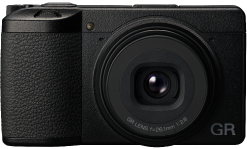
GR IIIx
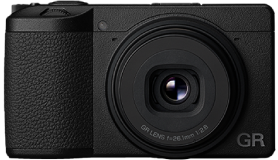
While maintaining the GR's unwavering commitment to high image quality, portability and quick response, the GR IIIx introduced a new creative option for photographers in 2021. Featuring a newly developed 40mm-equivalent F2.8 GR LENS (actual focal length: 26.1mm) with a 5-group, 7-element optical design, the GR IIIx delivers a more natural perspective while retaining the exceptional optical performance expected from the series. With the addition of this new focal length, the GR lineup expanded to support an even wider range of photographic expression.
September 2025
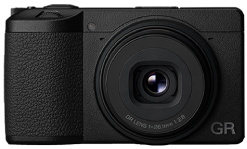
GR IV
Nearly six and a half years after the launch of the GR III, the GR IV was introduced in 2025 as a completely redesigned model, continuing the pursuit of the ultimate snapshooter. While achieving an even slimmer body, the GR IV delivers significant improvements across its core performance, including a newly developed image sensor with approximately 25.74 effective megapixels, a fast startup time of approximately 0.6 seconds, enhanced image stabilisation, and improved autofocus performance. Battery life has also been extended through the adoption of a new battery, while built-in memory has been expanded to 53GB, providing greater freedom for photographers to capture more moments wherever they go.



 GR
GR